The Most Useful Hairstyling Techniques for Real Clients and Real Events
When students begin learning hairstyling, it can be easy to focus on elaborate looks or highly styled images seen online. But in real client work, the most useful hairstyling techniques are often the ones that create polished, flattering, long-lasting results for everyday special occasions.
Real clients want styles that feel beautiful, secure, and appropriate for the event they are attending. They want hair that holds, photographs well, and complements their makeup, outfit, and personal style. That is why practical hairstyling skills are so important.
Some of the most useful techniques for real client work include clean sectioning, correct pin placement, backcombing for support, soft curling and wave formation, smoothing techniques, ponytail construction, bun building, and creating texture that looks effortless while still being secure. These are the kinds of core skills that can be used again and again across many different hairstyles.
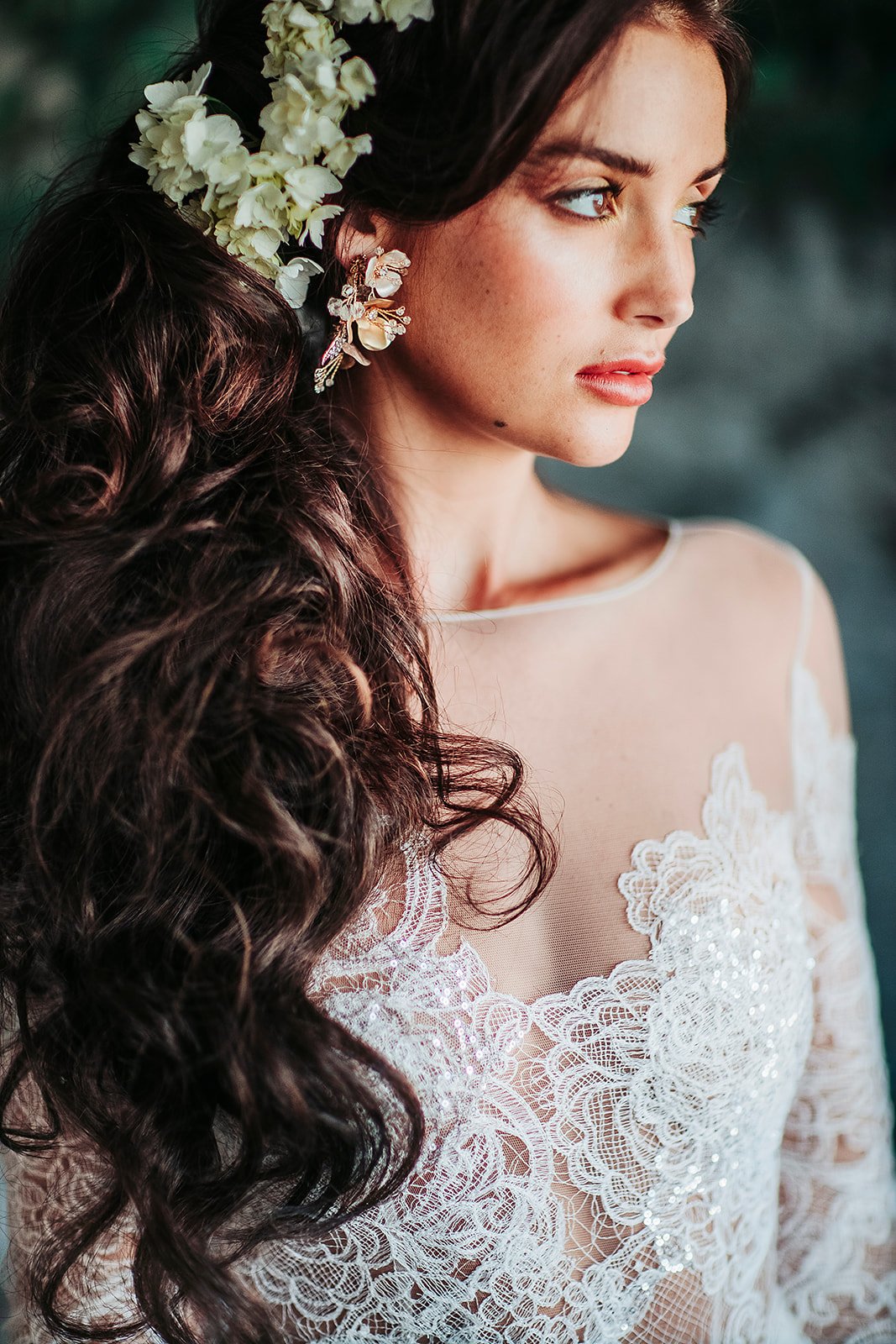
For example, a client attending a wedding may want polished waves. A formal client may want a textured upstyle. Someone attending a birthday lunch or race day might want a chic ponytail or a softly pinned half-up style. While the finished look may differ, the underlying techniques are often the same.
This is why learning strong foundations matters so much. Once a student understands the structure behind hairstyling, they become far more adaptable. Instead of relying on memorising one exact look, they can adjust their skills to suit the client in front of them.
Practical hairstyling training is also valuable because it prepares students for the real pace and expectations of client work. It is not just about creating something pretty. It is about creating something beautiful and wearable within a realistic timeframe, while keeping the client comfortable and confident.
Another important part of real-world hairstyling is understanding suitability. Not every client wants volume, tight curls, or a highly detailed upstyle. Some want softness. Some want glamour. Some want simplicity. A good hairstylist learns how to work with hair type, face shape, clothing, and occasion to create something that feels right for that person.
For makeup artists, hairstyling techniques can also add enormous value. Many clients prefer to book one artist who can complete the entire look. Being able to style hair confidently opens more booking opportunities across events, private appointments, and special occasions.
At Joanna Blair School of Makeup and Hairstyling, we focus on teaching techniques that are relevant to real clients and real industry situations. The most useful hairstyling skills are the ones that help artists create polished, lasting, versatile looks with confidence.
If you are considering hairstyling training, strong foundational techniques are one of the best investments you can make in your future beauty career.